
What “Good Enough for Now” Is Costing You
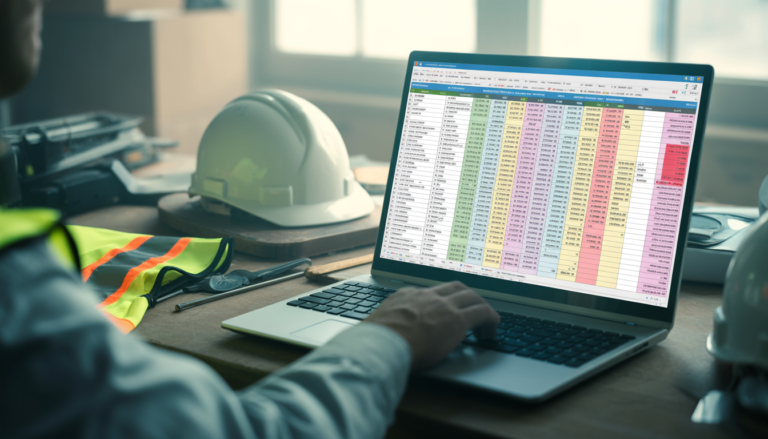
The spreadsheet still works. Sort of. You know its limitations, but you’ve built workarounds. The compliance records are incomplete in places, but nothing’s gone wrong yet. The system is held together partly by process and partly by the knowledge of two or three people who’ve been there long enough to understand how it all fits together. Good enough for now.
This is the most common position for mid-market operations managing equipment portfolios. Not in crisis, not unaware of the problem, but not yet at the point where the cost of change feels lower than the cost of staying still. It’s a reasonable place to be. It’s also a place worth interrogating honestly.
The time cost you’re absorbing
Manual spreadsheet maintenance across a team has a real cost in hours. Updating inspection dates, cross-referencing documents, chasing certificate copies, responding to “what’s the status of X?” queries, preparing summaries before audits. Nobody tracks these hours against a line item, so they never appear in a comparison with the cost of a better system. If two people in your operation spend a combined three hours per week on spreadsheet maintenance, that’s over 150 hours a year — the equivalent of nearly four working weeks — spent on a task that a properly structured system handles automatically.
The risk cost you’re carrying
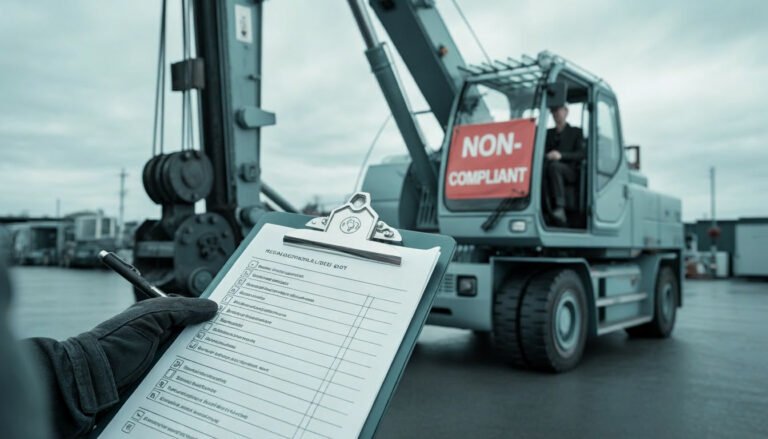
A single LOLER non-compliance finding from an HSE inspection can result in improvement notices, prohibition notices, and in serious cases, prosecution. The cost of a prohibition notice that takes equipment out of service isn’t just the fine — it’s the operational disruption, the emergency inspection fees, the impact on project timelines, and the reputational consequence with clients and insurers. Against those numbers, twelve months of AssetDriver licensing is not a significant cost. It’s a risk management decision with a straightforward calculation.
The operational cost you’re missing
Beyond compliance, there’s operational value sitting uncaptured. Do you know your equipment utilisation rate? Which assets are sitting idle while teams hire in equivalents from outside? Which pieces of equipment have maintenance costs that are starting to exceed their operational value? How much of your equipment budget is reactive rather than planned?
These aren’t abstract questions. They’re the difference between running an equipment portfolio reactively — responding to problems as they occur — and running it strategically. The data to answer these questions exists in your operation. The spreadsheet just can’t surface it.
The upgrade path is yours to control
AssetDriver’s modular structure means you start where you are. The Core module gives you your equipment inventory, compliance tracking, and inspection scheduling. When you’re ready, the Booking module adds utilisation management and equipment reservation. The Maintenance module brings in planned and reactive maintenance tracking. You add capability when the value is clear, not because a vendor’s pricing structure forces your hand.
The Microsoft ecosystem integration means your data is already in the right place when you want to extend it — whether that’s Power BI reporting, integration with your existing Azure environment, or AI-assisted analysis as those tools mature. Your data is structured, yours, and ready.
The premium IP transfer option means that if you want to go further and own the entire system outright — application code, database, everything — that path is open. No other vendor in this space offers a genuine exit from licence dependency as a standard upgrade option.
The decision
You don’t need to overhaul everything at once. You don’t need a six-month project or an IT team. You need a system that knows what your equipment is, when it was last inspected, when it’s next due, who’s using it, and where the records are — and that holds that information in a way you actually own.
The spreadsheet got you here. It’s not the right vehicle for where you’re going.
Take the wheel.