Compliance Isn’t Just a Feature
Most asset management platforms treat compliance as one module among many. It sits alongside work orders, parts management, and reporting dashboards in a navigation menu, available when you need it, ignorable when you don’t. For industries where compliance is optional or advisory, that’s fine.
For UK operations working under LOLER, PUWER, or PSSR, compliance isn’t a feature. It’s the entire reason the system needs to exist.
What the regulations actually require
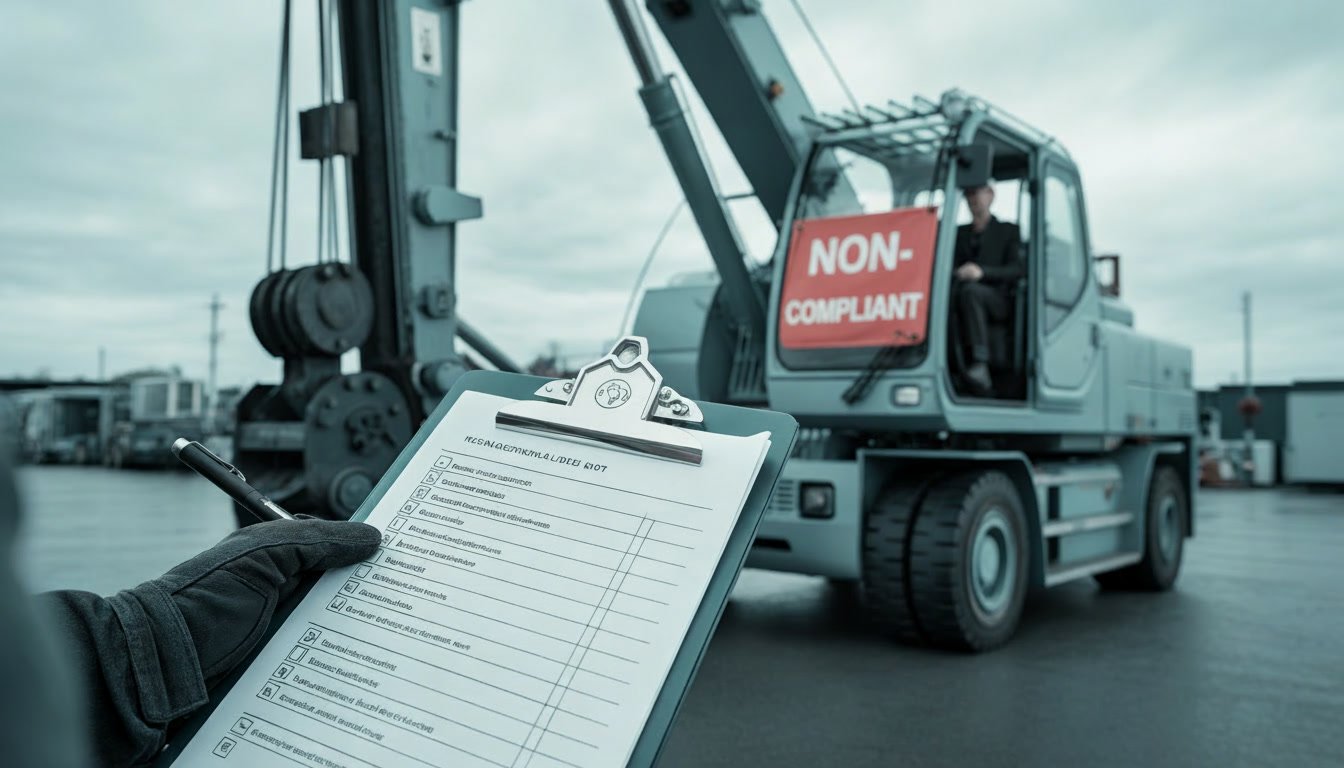
LOLER — the Lifting Operations and Lifting Equipment Regulations 1998 — requires that lifting equipment is subject to thorough examination by a competent person at defined intervals, and that records of those examinations are maintained. The interval depends on the equipment type and use: every six months for equipment used to lift people, every twelve months for most other lifting equipment, or in accordance with an examination scheme drawn up by a competent person. The records must be available for inspection.
PUWER — the Provision and Use of Work Equipment Regulations 1998 — requires that work equipment is maintained in efficient working order and good repair, and that where maintenance logs are kept, they are available for inspection. Inspections must be carried out where equipment is exposed to conditions causing deterioration liable to result in dangerous situations.
PSSR — the Pressure Systems Safety Regulations 2000 — requires a written scheme of examination for pressure systems above defined thresholds, with examinations carried out by competent persons and records retained.
None of this is new. These regulations have been in force for decades. The challenge isn’t knowing they exist — it’s operationalising compliance across a live equipment portfolio where assets move, get hired in and out, change status, and accumulate inspection histories that need to be traceable on demand.
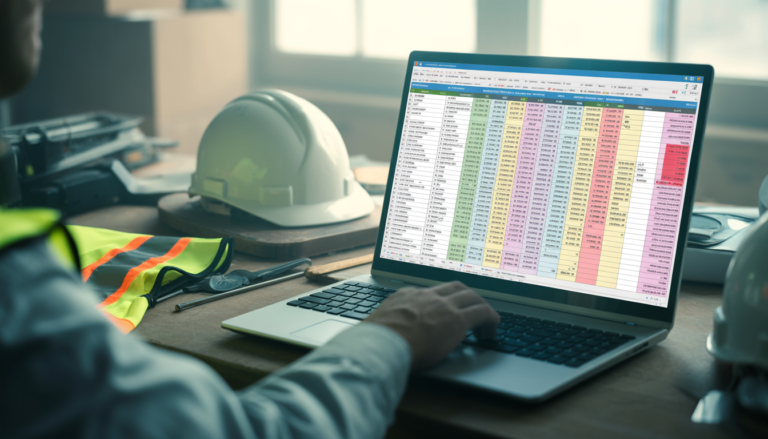
Where spreadsheets fail at the critical moment
The problem with spreadsheets isn’t that they can’t hold inspection dates. They can. The problem is what happens when those dates need to become evidence. An auditor or HSE inspector doesn’t want to see a date in a cell. They want to see a record — who conducted the inspection, what was found, what certificate was issued, whether any defects were noted and how they were resolved, and a chain of updates that demonstrates ongoing compliance rather than a single entry made this morning in anticipation of the visit.
Spreadsheets have no audit trail. They have no status logic. They don’t distinguish between “inspected and passed,” “inspected with defects noted,” “overdue,” and “out of service.” They don’t alert you when an inspection is approaching. And they don’t connect the inspection record to the physical asset’s current operational status.
Why a general CMMS often misses the mark too
Many CMMS platforms are built around maintenance workflows — planned preventive maintenance, reactive work orders, parts and labour tracking. Compliance is either retrofitted onto those workflows or treated as a reporting function on top of them. The result is that inspection scheduling gets buried inside work order logic, certificate management is an afterthought, and the regulatory framework specific to UK operations isn’t reflected in how the system actually works.
AssetDriver is built compliance-first. Inspection schedules, certification status, examination records, and regulatory categories are core to how assets are tracked — not bolted on. The system reflects the way LOLER, PUWER, and PSSR actually work, so your records are structured to be useful when it matters most: not during normal operations, but during the inspection, the audit, or the incident investigation.
Don’t let your next HSE visit be the moment you discover your records weren’t good enough.